Asset Valuegate
Step Into the World of Investing via Asset Valuegate
Sign Up now
 Asset Valuegate


Asset Valuegate provides a stepwise framework that allows learners to explore contemporary financial markets using reliable educational resources. Instead of recommending specific trades, it focuses on gradually enhancing understanding, helping participants interpret complex economic situations clearly and realistically.
Throughout the program, learners study core investment concepts such as evaluating different levels of risk, planning for long term financial objectives, and assessing how asset allocation affects portfolio stability.
The curriculum also emphasizes the influence of human behavior on financial choices. Psychological tendencies, emotional reactions, and strategic timing often shape how investors respond to uncertainty or opportunity.
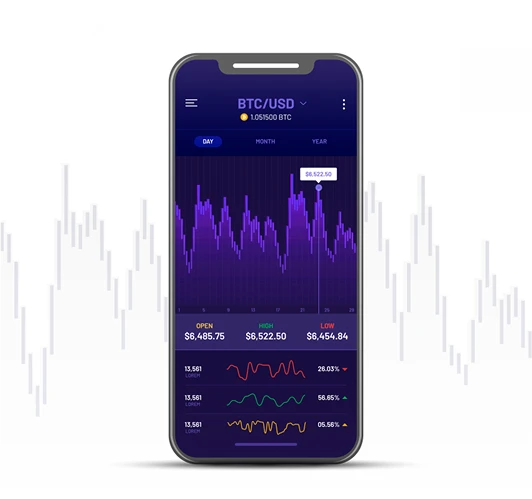
Many people find engaging with financial markets daunting because educational pathways often lack clear structure. Markets react to numerous forces, including global events, economic metrics, and individual financial plans. Without a systematic framework, analyzing trends and patterns can feel overwhelming.

Experienced investors emphasize that strong portfolio choices begin with solid foundational comprehension. Some examine international developments affecting local markets, while others focus on key metrics such as inflation shifts, interest rate adjustments, and the role of diversification in reducing uncertainty.

Financial goals evolve as individuals progress through different phases of life. Early career professionals often prioritize building stability while initiating wealth accumulation. Households typically focus on long term security and careful planning, while entrepreneurs balance business expansion with sound fiscal oversight. Asset Valuegate offers guidance tailored to every stage, helping users make informed and confident investment decisions.
The abundance of investing information online can be intimidating for beginners. Asset Valuegate simplifies the process by guiding learners to structured programs that present core financial concepts in a clear, sequential manner. Instead of recommending specific trades, it links users with reliable learning resources, helping them build understanding gradually, interpret market trends with confidence, and grow their overall investment capabilities.

For many newcomers, managing assets feels complex because information is often presented in technical terms. A well structured teaching approach makes concepts easier to grasp. Connecting learners with experienced instructors ensures important financial strategies are explained clearly and reinforced with practical, real world examples.
True financial understanding develops when learning goes beyond theory to explore how markets function in real world contexts. By analyzing economic trends, reviewing various asset types, and studying approaches for mitigating risk, participants gradually gain a practical and comprehensive perspective on investment operations.
Financial courses support learners at all stages of experience. Beginners often start with foundational market knowledge and essential principles behind common investment vehicles. Over time, they may advance into complex topics such as portfolio design, applying asset allocation strategies, and implementing techniques for responsible risk control.
Serving as a neutral hub, Asset Valuegate connects learners with credible organizations offering structured financial instruction. The site does not create its own programs or endorse particular investment solutions. Instead, it guides participants toward trustworthy pathways where knowledge can grow steadily and confidence in financial decision making is strengthened.
Through the site, learners interact with experienced educators who explain market principles, essential planning techniques, and strategies to manage risk within organized learning programs. Asset Valuegate focuses on connecting users to reliable educational resources rather than promoting specific products, services, or instructors.
Structured investment education transforms complex financial topics into accessible concepts. Participants explore different asset categories, principles behind portfolio structure, methods to reduce uncertainty, and behavioral patterns affecting decisions. Lessons also cover emotional influences on results, promoting a patient, disciplined, and long term approach to investing.
Financial markets can feel daunting when underlying mechanics are unfamiliar. Values and trends are shaped by multiple influences, including economic developments, global events, and policy changes from governments or institutions.
Entering financial markets without proper preparation can increase exposure to unnecessary mistakes and risk. Market activity often reflects economic developments, regulatory updates, and major global events influencing asset movements. By utilizing structured educational materials, individuals gradually strengthen their ability to interpret signals, anticipate potential outcomes, and make decisions with careful planning and informed reasoning.
Instead of creating proprietary content or predicting market trends, the site acts as a neutral connector linking learners to independent training providers. Its purpose is to direct users toward organized learning experiences where key investing principles are presented through clear and structured instruction.
Online financial content is often scattered or difficult to navigate. By guiding learners into systematic educational pathways, the site simplifies learning and fosters deeper comprehension. This framework enables participants to study concepts thoroughly while developing practical insight into market dynamics.
Remaining impartial, the site avoids promoting specific strategies or promising results. Its main objective is to support careful, informed, and deliberate learning about investing.

Asset Valuegate serves as a bridge connecting learners to reputable financial education providers. The site directs users to programs covering essential investing concepts, market evaluation, and risk management through organized courses. It remains impartial, avoiding personalized advice or promotion of specific firms or investment products.
Learners progress through material step by step, starting with foundational investment principles and gradually exploring more advanced topics. This structured approach enables participants to retain knowledge efficiently, strengthen analytical thinking, and develop consistent, disciplined investing habits.
Financial markets constantly shift as economic indicators evolve, regulations are updated, and global events influence investor sentiment. These factors interact in complicated ways, making precise forecasts difficult. Learning provides a reliable foundation. Through organized instruction, participants gain the ability to analyze financial information carefully and understand how various forces can impact market behavior.
Functioning as a neutral hub rather than providing advisory services, the site connects learners with independent financial education providers. It does not offer personalized guidance or attempt to predict outcomes. Instead, it guides individuals to structured programs where investment principles are presented clearly and sequentially for easier comprehension.
Deep financial insight develops through regular study and careful reflection. Instead of recommending specific trades, this learning approach inspires participants to observe, evaluate, and interpret market data deliberately. Building critical reasoning skills allows individuals to assess financial information independently.
Meaningful understanding typically arises from ongoing education over time. The site remains neutral, avoiding endorsement of particular tools or services and focusing solely on instruction. By guiding users to organized programs, it enables learners to explore subjects thoroughly, enhance knowledge, and sharpen analytical abilities necessary for responsible decision making.

Examining financial concepts enhances awareness and promotes thoughtful evaluation of risk and portfolio management. Learning cannot remove uncertainty or guarantee results. Market conditions fluctuate with worldwide events, economic cycles, and regulatory decisions beyond individual control.
With Asset Valuegate, participants engage in organized programs rather than receiving personalized advice. Focus is placed on building understanding, encouraging independent reasoning, and developing confidence through structured education instead of promising specific outcomes.
Progressive learning supports consistent study routines and careful analysis. Learners investigate diversification techniques, evolving market trends, investor behavior, and approaches for evaluating financial performance.
Effective investing relies on knowledge and careful analysis rather than chasing rapid profits. Markets continuously react to regulatory changes, global events, and economic conditions, creating inherent uncertainty. Structured education helps participants identify these influences and approach choices with reasoning instead of speculation.
Sequential lessons emphasize core financial concepts, long term trends, and behavioral factors affecting investor decisions. Through attentive observation, discussion, and evaluation, learners cultivate the ability to analyze information critically and maintain balanced judgment amid market changes.
Continuous learning also encourages accountability in financial decision making. Choices align more closely with personal objectives and risk preferences. By evaluating alternatives carefully, learners strengthen judgment and develop disciplined strategies for thoughtful, long term investing.

Effective portfolio management relies on knowledge and thoughtful analysis rather than seeking rapid profits. Markets constantly respond to economic developments, policy updates, and global events, creating an environment of unavoidable uncertainty.
Structured programs emphasize core concepts, long term market trends, and behavioral factors shaping investor judgment. Through steady study and careful assessment, participants strengthen their ability to interpret information objectively and remain composed during market fluctuations.
Ongoing learning also promotes greater responsibility and self awareness in financial decision making. Investment actions align with personal objectives and risk tolerance. By reviewing alternatives thoroughly and considering multiple options, learners refine judgment and adopt disciplined strategies for confident, forward looking financial planning.

Following a structured educational path allows learners to understand how markets operate and the elements that drive asset value changes. By examining economic trends, investor behavior, and varying degrees of risk across different financial instruments, participants improve their ability to evaluate information while recognizing that uncertainty always exists.
The main goal is to build knowledge rather than promise specific results. Through focused study and consistent practice, learners gradually strengthen their ability to assess opportunities carefully, apply reasoned judgment when analyzing financial data, and maintain an organized, measured approach when making investment decisions.
Effective financial learning starts with understanding fundamental concepts. By studying various methods of asset distribution, analyzing market volatility, preparing for long term investment goals, and reviewing key economic signals, participants gain a well rounded perspective on how markets function while accounting for external influences on outcomes.
Exploring past market cycles provides valuable lessons about economic dynamics and investor behavior. Periods of high volatility and market downturns demonstrate how rapidly conditions can change, offering practical guidance for future decision making.
Knowledge grows through regular engagement and repeated observation. Tracking market activity, interpreting economic indicators, and reviewing historical trends help participants develop stronger analytical skills. A structured, continuous approach provides the perspective necessary to navigate ever changing financial environments.
Studying investment principles develops analytical thinking, though it cannot eliminate unpredictability. Examining strategies for asset allocation, diversification approaches, and market indicators improves decision making, even as wider economic forces continue shaping outcomes.
Following a methodical learning path enables participants to understand market dynamics while refining reasoning skills. Exploring supply demand relationships, broader market trends, and repeated investor behaviors provides meaningful insight into financial systems beyond short term price changes.
Regular engagement promotes thoughtful, balanced decision making. Analyzing past market cycles, economic shifts, and critical indicators helps learners connect historical events to current financial conditions.
| 🤖 Enrollment Cost | Free of charge enrollment |
| 💰 Transaction Fees | No transaction fees |
| 📋 SignUp Procedure | Efficient and prompt registration |
| 📊 Curriculum Focus | Courses on Cryptocurrencies, the Forex Market, and Other Investment Vehicles |
| 🌎 Accessible Regions | Excludes USA, available in most other regions |